How PCC runs on one entity.
A digital entity running inventory, procurement, and paperwork across PCC’s Nigerian operations. One operating layer, sitting on top of the systems and team PCC already has.
A globally recognised EPC-OM contractor.
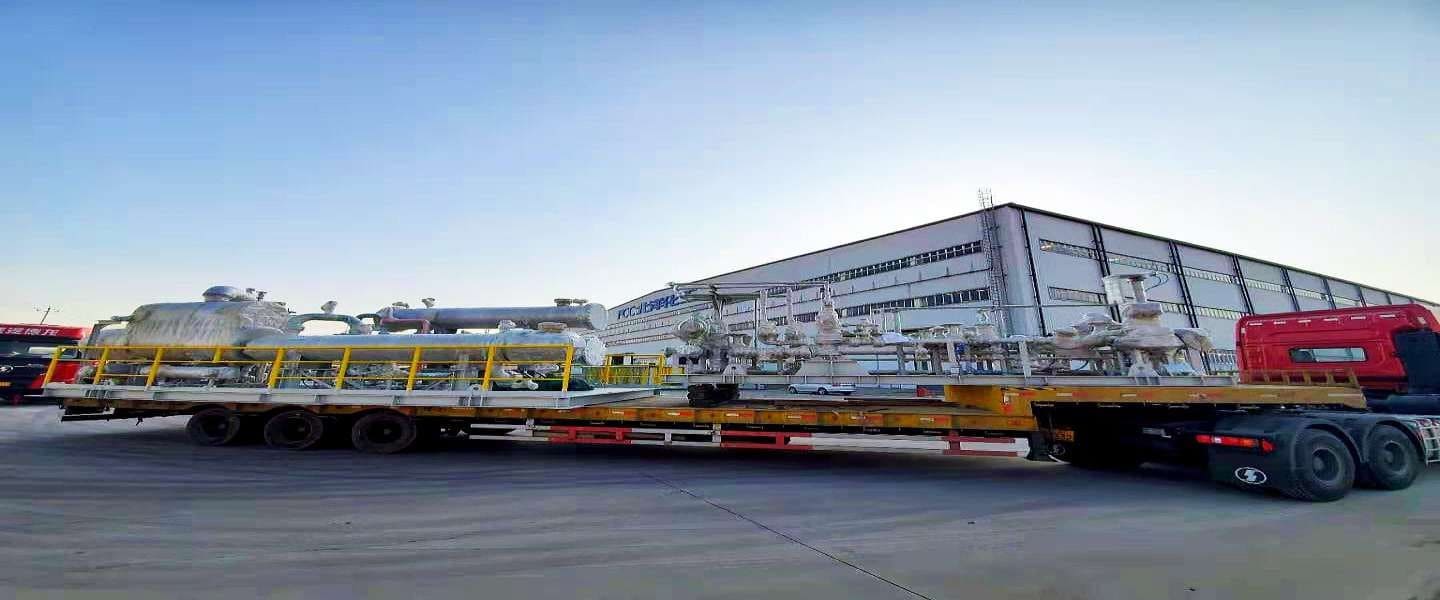
PCC (Peiyang Chemical Engineering Service Corporation) operates across oil, gas, petrochemical, and waste-to-energy. The PCC family runs across China, Nigeria, Southeast Asia, and parts of Africa, with subsidiaries including PCCN (Nigeria), PCCD, PCCF (Fabrication), and PCC Gas. The Nigerian arm runs alongside active EPC projects, the largest of which is the 80,000 BPD KOKO Refinery on the Benin River in Delta State.
Like most EPC operators, PCC carries one to two years of spare parts inventory at project start. That inventory (pumps, seals, valves, pipes, industrial chemicals) is real working capital sitting in warehouses in country, much of it idle for six months or more before being used internally or sold. PCC wanted to start monetising that inventory at scale without standing up a hundred-person sales organisation in Nigeria.
THE PROBLEMThree things were stuck.
Reach. PCC’s commercial team knew the obvious buyers (other EPC operators, refineries, anyone in their immediate network) but had no way to systematically identify the non-obvious demand. Bottling plants, water treatment, food processing, mining, agro-industrial, generator operators. Anywhere a pump, seal, valve or chemical quietly mattered. That second tier of buyers is where the asymmetric value sits in Nigeria, but it requires canvassing thousands of companies across sectors a small team would never reach manually.
Speed. When a buyer did surface, the round trip from inquiry to quote ran days, not minutes. Most inquiries came in by email or WhatsApp, were OCR’d manually, run against the inventory list by hand, and quoted back. Conversion suffered.
Paperwork. PCC’s Nigerian operation runs through Nigerian customs (NCS), tracks NUPRC and NMDPRA permits, and feeds bid responses into NipeX (the NNPC e-procurement platform). Each deal carried fifteen to twenty-five documents across half a dozen agencies. A coordinator was spending most of every week filing forms.
The asymmetric value sits in the second tier of buyers. It requires canvassing thousands of companies across sectors a small team would never reach manually.
One entity, configured to PCC’s business.
Spawnlabs is a platform. We deployed a Spawn entity into PCC’s Nigerian operations and configured it against their inventory data, their commercial workflow, and their CRM (纸享销客 / FXIAOKE). No custom code was written. The platform’s existing capability adapted to PCC’s specific products, sectors, and language. The entity now runs continuously, owns the front of the funnel end to end, and handles the paperwork stack behind every closed deal.
Buyer discovery across Nigeria and neighbouring markets. The entity pulls continuously from the CAC company registry, NUPRC permits and license register (PPL/PML/OPL), NMDPRA service permits, NipeX tender postings, BPP contractor registry, NOCOPO, OGISP, and state-level industrial directories. Cross-references with LinkedIn, trade publications, and company sites for executive contacts. It builds a complete buyer map for each SKU, ranked by urgency, fit, and deal size.
Outreach and conversation across channels. Email and WhatsApp by default. WeChat for the Chinese supplier and partner network. Phone where the buyer prefers it. The entity initiates conversations, answers technical questions on specs, quantity, lead time, and pricing with full inventory context, and follows up over weeks.
Signal-driven targeting. A NUPRC permit issuance triggers a check on the awarded operator and adjacent companies in the block. A NipeX tender posting triggers a sweep of the bidders. Plant outages and supply disruptions across the Niger Delta corridor trigger outreach the day urgency materialises.
Inventory-aware quoting. The entity is grounded in real-time inventory state across PCC’s Nigerian warehouses. Never promises what isn’t in stock. Returns alternates if the exact match is short. Surfaces the right pickup site per buyer (PCC moves goods site-to-site rather than running last-mile delivery).
Cross-sell and deal preparation. A buyer asks about a pump, the entity surfaces the matching seal from inventory in the same conversation. Drafts the standardised quotation per buyer. Builds the per-deal datasheet. Prepares contract terms up to the point of human commercial approval.
Paperwork orchestration. Customs declarations, NUPRC and NMDPRA filings where applicable, NipeX bid responses, and the supporting documentation stack get drafted and tracked end to end. The entity watches each portal for status changes and drafts responses to comments within twenty-four hours.
Multi-region rollout. Started in Nigeria. The same entity architecture extends into PCC’s other African and Southeast Asian operations as inventory and demand patterns are loaded. New regions take days to add, not months.
HOW THE ENGAGEMENT RUNSContinuous in the background, on call up front.
The entity operates continuously in the background. PCC’s team gets a daily digest each morning: what was done yesterday, what’s queued for today, what needs human approval. Real-time alerts fire when a deal hits the commercial-decision line or an exception needs human judgement. Weekly rollups land with the metrics that matter (qualified conversations, contracts signed, residual booked, hours saved on paperwork, cycle time per stage).
Tim and the PCC commercial team can also work with the entity directly on demand. They ping it from email, WhatsApp, or its voice line: “status on the Acme deal,” “draft a quote for this customer who just emailed in,” “pull every operator with an active NUPRC permit in the Delta block.” It answers like a colleague.
WHAT CHANGEDSenior people stopped doing administrative work.
The buyer pool PCC’s team can address went from the obvious customer set to thousands of companies across sectors they wouldn’t have manually canvassed. Speed-to-quote on inbound inquiries moved from days to under sixty seconds. The coordinator hours that used to disappear into customs and incentive paperwork came back to the team. The Solo and KWEV-style cross-sell between PCC’s product lines became the default state instead of an accident.
PCC’s senior people show up where their judgement actually matters: anchor relationships, bespoke commercial decisions, quality control at handoff, the conversations that need a human voice.
One entity, one operating layer, sitting on top of the systems and team PCC already has.
Three threads in motion.
First, expanding the buyer-discovery footprint across PCC’s other African and Southeast Asian operating regions on the same architecture. Second, deepening the FXIAOKE and ERP integration so inventory and order state flows in both directions live, rather than via scheduled file sync. Third, layering in the procurement direction (PCC sourcing from upstream vendors) so the same entity runs both sides of PCC’s supply chain rather than just the customer-facing side.
The same primitive that runs PCC’s Nigerian inventory marketplace runs the procurement coordination, the customs paperwork, and the cross-region rollout.
- ARCHITECTURE
- Spawnlabs platform, deployed as a single entity against PCC’s inventory data and FXIAOKE CRM. Multi-channel outreach (email, WhatsApp, WeChat, voice) and document handling across Nigerian customs, NUPRC, NMDPRA, NipeX, and downstream regulatory portals. No custom development.
- ENGAGEMENT MODEL
- Platform subscription. The entity is configured to PCC’s business in onboarding (one to two weeks) and runs on its own from there. Same platform deployed across every customer; the entity adapts to the nuance of each business. Fixed monthly fee covers infrastructure, hosting, AI runtime, and platform updates.
- CONTACT
- Teddy Oweh, CEO, Spawnlabs.
- CUSTOMER
- pccs.com.sg
Your operation could be the next case study.
Every partnership starts with the same question: what’s the workflow that hurts most? Deploy an entity against it, measure what happens.